
Distracted Driving / Texting and Driving
Car Accident LawyerGet a Free Consultation
Car Accident Lawyer
Distracted Driving / Texting and Driving
Get a Free Consultation
Distracted Driving Causes Accidents Resulting in Injuries and Fatalities
According to the National Highway Traffic Safety Administration (NHTSA), distracted driving resulted in 3,208 traffic fatalities and 315,167 injuries in 2024. Distracted driving, as the name implies, takes the driver’s attention off the road. And that lack of attention poses a significant danger.
What Are Some Different Types of Distracted Driving? How does it Occur?
Any activity that takes the driver’s attention off driving falls into the category of distracted driving. Some distractions are more potentially dangerous than others.
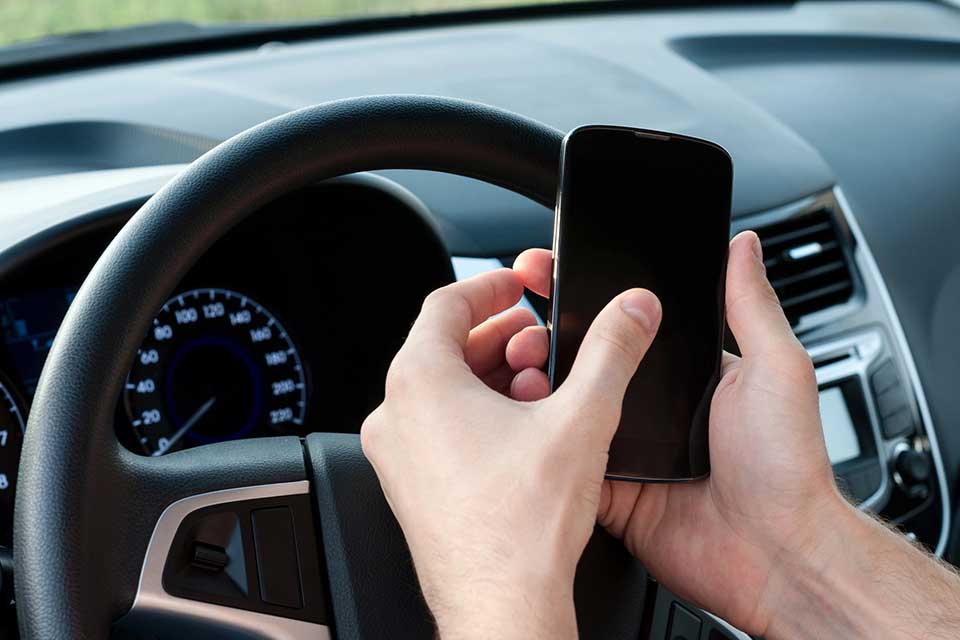
Texting While Driving
- Visually. The driver’s eyes are not on the road.
- Manually. The driver’s hand or hands are off the wheel.
- Cognitively.The driver’s mind is not on driving.
Texting while driving statistics show the average text distracts the driver for 5 seconds. At 55 mph, you travel the length of a football field in 5 seconds.
Visual Distractions
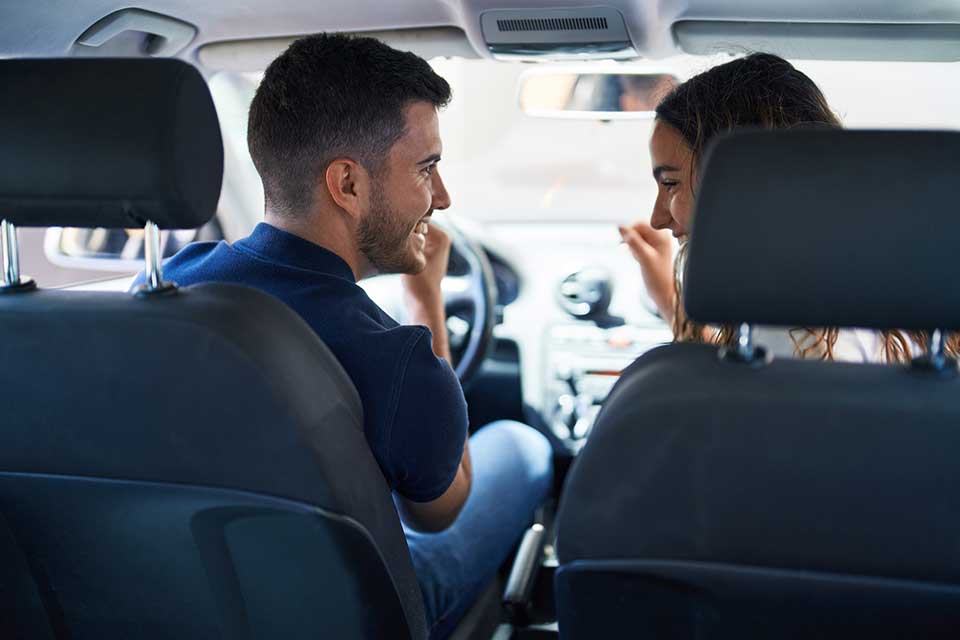
Visual distractions take the driver’s eyes off the road and off of other vehicles. Some examples include: looking at the GPS, adjusting the radio stations, reading notifications (texts, emails, social media posts), looking at passengers, and rubbernecking (traffic accidents, scenic views, billboard ads).
Manual Distractions
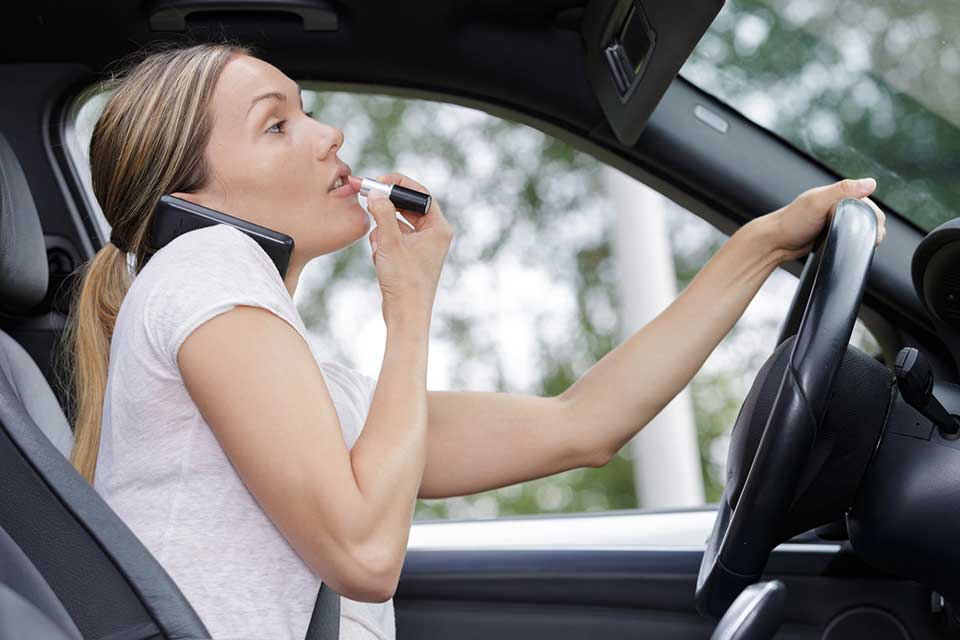
Anything that takes the drivers hands off the steering wheel is a manual distraction. Examples include:
- Eating and drinking
- Adjusting car settings (A/C or heat, mirror, seats or radio settings)
- Grooming (combing hair, shaving or applying makeup)
- Phone calls that are not hands free
- Reaching for items (something in glovebox or on the floorboard)
Cognitive Distractions
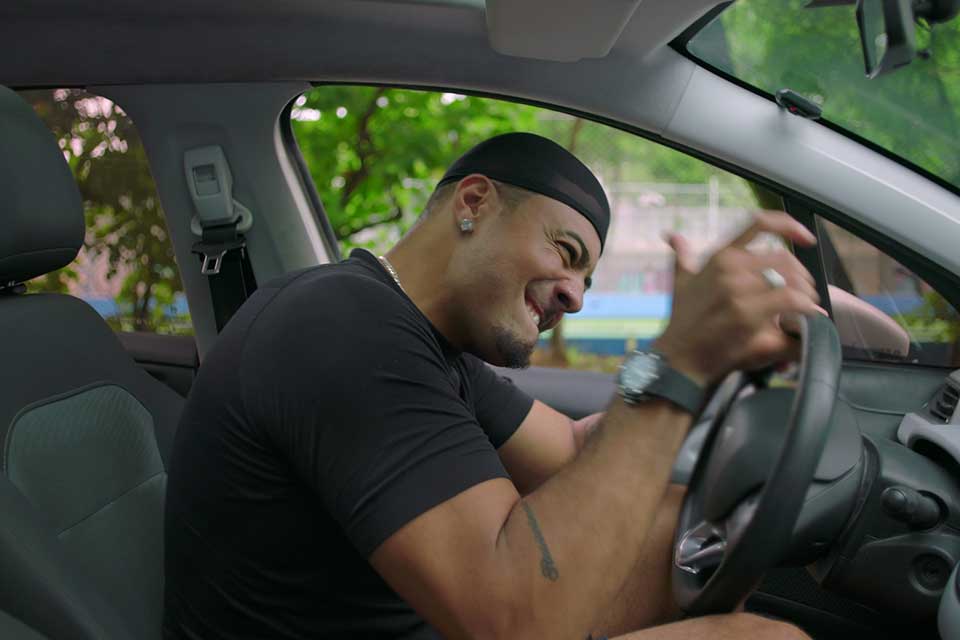
Whatever takes your mind or attention off driving falls into this category. In addition to the activities listed above, other distractions include conversations, daydreaming, exhaustion (driving while drowsy or lacking sleep), and emotional distress (road rage, anxiety or extreme upset).
Texting While Driving
In general, texting and driving is the worst form of driving distraction because it takes the driver’s attention off the road:
- Drivers eyes are not on the road.
- Drivers hand or hands are off the wheel.
- Driver’s mind is not on driving.
Texting while driving statistics show the average text distracts the driver for 5 seconds. At 55 mph, you travel the length of a football field in 5 seconds.
Visual Distractions
Visual distractions take the driver’s eyes off the road and off of other vehicles. Some examples include: looking at the GPS, adjusting the radio stations, reading notifications (texts, emails, social media posts), looking at passengers, and rubbernecking (traffic accidents, scenic views, billboard ads).
Manual Distractions
Anything that takes the drivers hands off the steering wheel is a manual distraction. Examples include:
- Eating and drinking
- Adjusting car settings (A/C or heat, mirror, seats or radio settings)
- Grooming (combing hair, shaving or applying makeup)
- Using a phone while driving
- Phone calls that are not hands free
- Reaching for items (something in glovebox or on the floorboard)
Cognitive Distractions
Whatever takes your mind or attention off driving falls into this category. In addition to the activities listed above, other distractions include conversations, daydreaming, exhaustion (driving while drowsy or lacking sleep), and emotional distress (road rage, anxiety or extreme upset).
The Misconception that Multi-Tasking and Driving Is Safe
The Cleveland Clinic explains that most people can only focus effectively on one task at a time. While people think they multi-task, they actually switch tasks in rapid succession. They do not do multiple tasks at the same time. When tasks are complex and require quite a bit of attention, they end up making mistakes. Studies showed that attempting to do other tasks during a driving simulation led to poorer driving.
Dividing attention can result in a failure to notice that a traffic light changed, not noticing cars in lanes beside you and failing to check car mirrors for traffic. Slowed reaction time is another potential factor.
Get Legal Help with
Car Accidents Caused by Distracted Driving
Proving the other driver was distracted is vital for recovering compensation. An experienced lawyer has the skills and know-how to prove fault in a car accident case. Often the insurance companies will attempt to deny a claim or argue about who caused the accident. This is especially true when injuries are serious resulting in substantial costs. A skilled attorney can help you deal with insurance companies so you can receive the amount of compensation you deserve.
Call the Law Office of Michael R. De La Paz at (210) 225-HURT (4878) or toll free (800) 645-8553. We will arrange a free consultation. Do you have questions? We are glad to answer them and explain the legal factors involved. There are no out-of-pocket expenses, and we receive payment based on our success in winning or settling the case.
.
Law Office of
Michael R. De La Paz
Contact Us

Schedule a Free Consultation
The Law Office of Michael R. De La Paz has its principal office in San Antonio, Texas, however, we can represent your personal injury case no matter where you live in Texas, the U.S., or Mexico.


