T Bone Accidents
Car Accident LawyerGet a Free Consultation
Car Accident Lawyer
T Bone Accidents
Get a Free Consultation
What should you know about T Bone accidents?
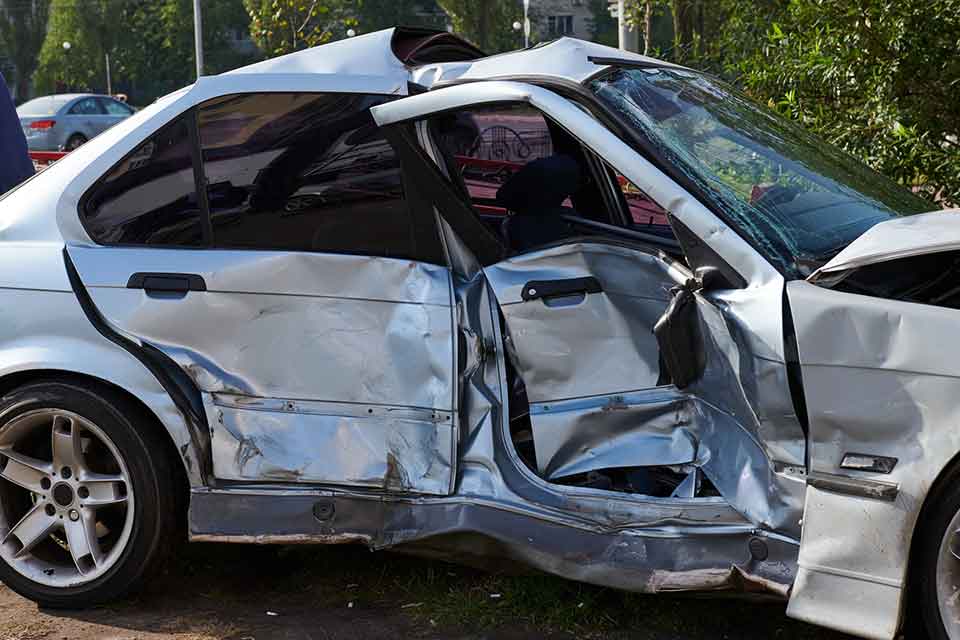
ST-bone accidents, also called side impact or broadside accidents most frequently occur at intersections. Aside from intersections, they can also happen in driveways and parking lots. These accidents always involve an issue of right-of-way where one car is turning, the other car is going straight and someone fails to yield. Who is liable for damages depends on who violated the traffic laws regulating the right-of-way.
What are some common causes of t bone accidents?
Misjudging speed
Running Red Lights/Stop Signs
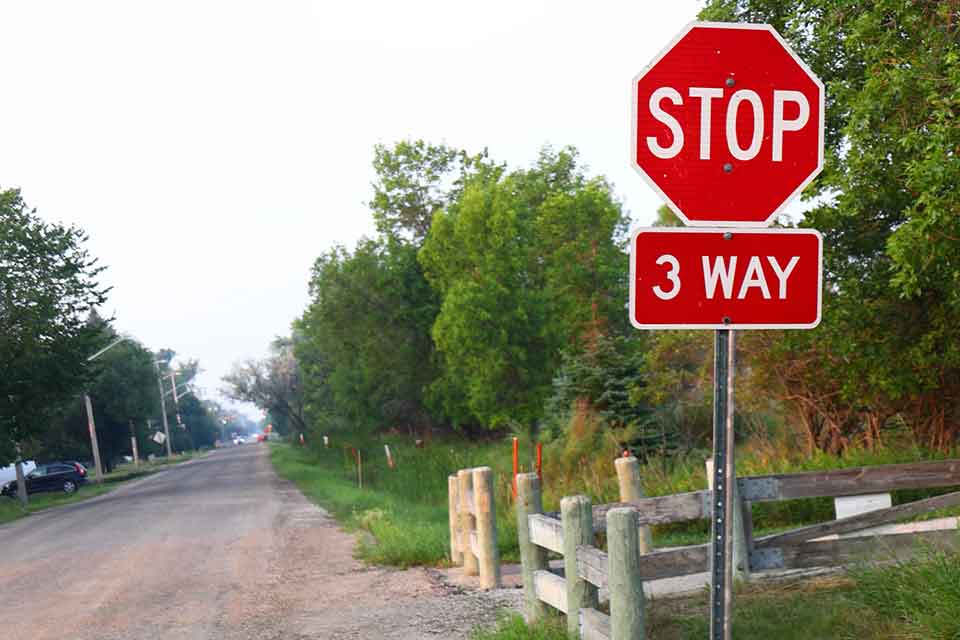
Sometimes people get into side impact accidents when they disregard yellow lights and run red lights or stop signs. The reason for running signals or signs can vary, but might include:
- Distracted driving
- Feeling pressure to get somewhere on time
- Drunk driving
- Overly aggressive driving
- Poor judgment of distance and timing of the light
Distracted Driving
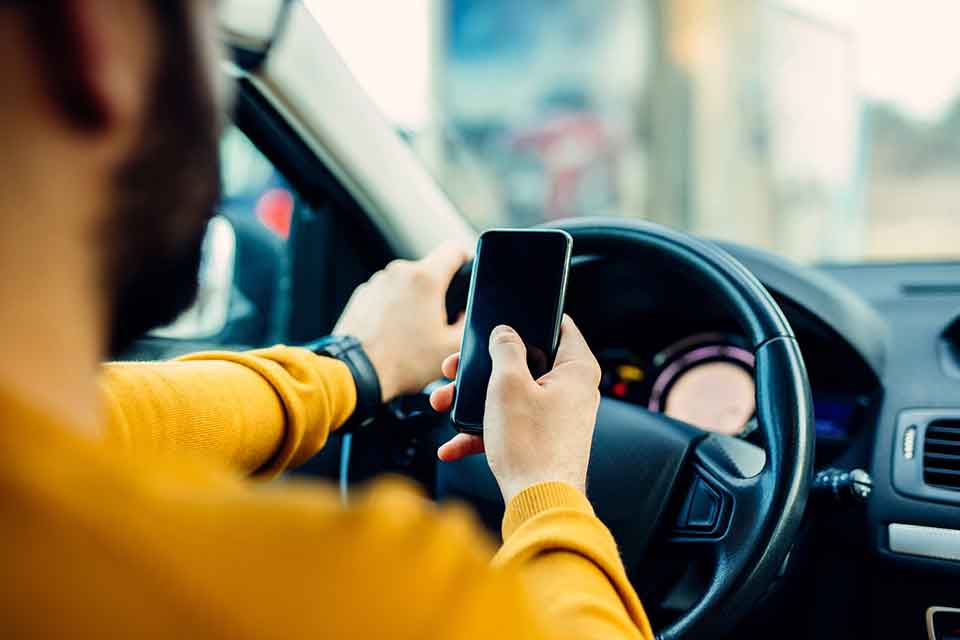
Distracted driving can result in T bone accidents and can happen when people are:
- Texting and driving
- Using a smartphone for navigation
- Adjusting the entertainment system or radio
- Falling asleep at the wheel
- Eating or drinking while driving
Poor Road or Weather Conditions
During snow or rain, roads become slippery, which makes it difficult for cars to slow and stop. A road under repair or construction can also be a factor that some drivers don’t take into account. If the driver is driving too fast for weather or road conditions, they can crash into other vehicles. The road conditions affect how you should judge stopping distances and speed.
Misjudging speed
Running Red Lights/Stop Signs
Sometimes people get into side impact accidents when they disregard yellow lights and run red lights or stop signs. The reason for running signals or signs can vary, but might include:
- Distracted driving
- Feeling pressure to get somewhere on time
- Drunk driving
- Overly aggressive driving
- Poor judgment of distance and timing of the light
Distracted Driving
Distracted driving can result in T bone accidents and can happen when people are:
- Texting and driving
- Using a smartphone for navigation
- Adjusting the entertainment system or radio
- Falling asleep at the wheel
- Eating or drinking while driving
Poor Road or Weather Conditions
During snow or rain, roads become slippery, which makes it difficult for cars to slow and stop. A road under repair or construction can also be a factor that some drivers don’t take into account. If the driver is driving too fast for weather or road conditions, they can crash into other vehicles. The road conditions affect how you should judge stopping distances and speed.
.
Tips to Avoid T Bone Accidents
By following safety guidelines you take fewer risks and can often avoid a broadside accident:
- Eliminate driving distractions like phones and other activities. Instead, focus on driving.
- Follow posted speed limits and go slower during bad weather or when poor road conditions exist.
- Pay attention to cars accelerating to go through a yellow light.
- Wait briefly after the light turns green.
- Look for traffic traveling in both directions.
- Stop at traffic lights and stop signs.
- Keep a safe distance between your vehicle and other vehicles.
- Eliminate driving distractions like phones and other activities. Instead, focus on driving.
- Follow posted speed limits and go slower during bad weather or when poor road conditions exist.
- Pay attention to cars accelerating to go through a yellow light.
- Wait briefly after the light turns green.
- Look for traffic traveling in both directions.
- Stop at traffic lights and stop signs.
- Keep a safe distance between your vehicle and other vehicles.
How can an attorney help with
T Bone Accidents?
Establishing negligence is key to protecting your rights in a t bone accident case. An experienced lawyer understands right-of-way laws and can help you establish whether or not the other driver was at fault for causing the accident. Serious injuries and even fatalities can occur as a result of t bone accidents. Rely on a skilled attorney to help you deal with insurance companies and handle the legalities of your case.
To arrange a free consultation, call the Law Office of Michael R. De La Paz at (210) 225-HURT (4878) or toll free (800) 645-8553. There are no out-of-pocket expenses, and we receive payment based on our success in winning or settling the case. We are glad to answer your questions and explain the legal factors involved.
Law Office of
Michael R. De La Paz
Contact Us
Schedule a Free Consultation
The Law Office of Michael R. De La Paz has its principal office in San Antonio, Texas, however, we can represent your personal injury case no matter where you live in Texas, the U.S., or Mexico.


